When people talk about the future of work, the focus usually falls on hybrid models, AI tools, or cloud systems. These are the big-ticket items. But behind every innovative workplace is something much more fundamental. The physical space. The facilities that support every task, every break, every meeting, and every visit. If these aren’t running well, the rest doesn’t matter.
The smartest workplaces today aren’t just about flashy tech. They’re places where the basic systems work seamlessly. Where the lights turn off when no one’s around. Where air quality is monitored. Where the washrooms are spotless, modern, and easy to maintain. It’s these details that create environments people want to spend time in. And from a business point of view, they’re key to productivity, sustainability, and cost control.
Facilities Are Business Infrastructure
Once seen as background services, facilities management has moved into a more central business role. Whether you’re in commercial property, education, healthcare, or hospitality, your facilities directly affect how people experience your organisation.
That experience starts with practical details. Is the space clean? Is it safe? Is it easy to move through? These are non-negotiables. But the smart workplace goes further. It uses technology to manage buildings more efficiently. It invests in systems that reduce waste and improve health outcomes. It takes a long-term view rather than a quick fix.
Read more: Why One Empty Lot Can Create Endless Possibilities
Even decisions that seem minor on the surface – like what kind of lighting to use or how hand drying is handled – add up to a bigger impact when multiplied across multiple sites, teams, or clients.
Washrooms Set the Tone
Here’s something many businesses overlook. Your washroom might be the most visited part of your building. Every member of staff uses it. Every visitor sees it. And the impression it creates is lasting. A poorly maintained or dated washroom suggests a lack of care. On the other hand, a well-designed one shows attention to detail and consideration for hygiene and comfort.
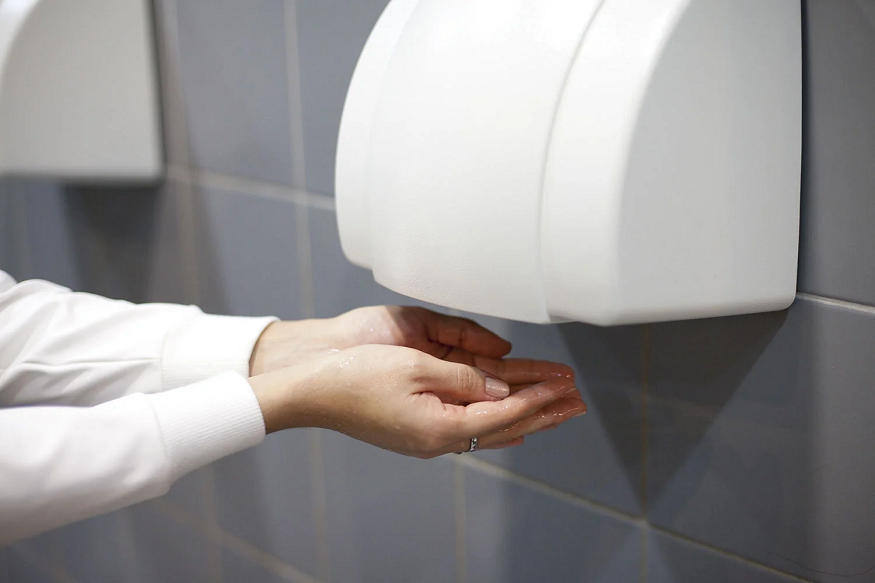
Modernising your washrooms doesn’t need to be expensive. But it should be thoughtful. Touch-free taps, sensor-operated flushing, and efficient hand drying systems can transform the space. These features are no longer reserved for high-end hotels or airports. They’re expected in most work environments now.
Reliable, low-energy hand dryers designed for performance and hygiene are now widely available, offering businesses a practical option that doesn’t compromise on efficiency.
Smart Doesn’t Have to Mean Complex
One misconception about “smart” facilities is that they have to be packed with gadgets and complicated systems. But smart just means sensible. It means using available technology to improve outcomes. That could be motion sensors to reduce lighting costs. It could be real-time maintenance tracking. Or it could be something as straightforward as making it easier for staff to report a broken heater.
Simple systems that work together can bring major benefits. For instance, sensor-based occupancy monitoring can help your cleaning teams focus where needed rather than following rigid schedules. It saves time, saves money, and improves results. That’s smart.
Sustainability Through Practical Changes
Energy use is another area where smart facilities shine. Most workplaces consume more than they need, often due to outdated heating or lighting systems. Cutting this down is not just good for the planet. It’s good for your bottom line.
LED lighting, improved insulation, and programmable thermostats are fairly standard upgrades. But more businesses are now thinking about water use, waste reduction, and air quality too. Each of these areas presents an opportunity. And when improvements are made across the board, the combined effect can be substantial.
There’s also the regulatory angle. Businesses are under increasing pressure to meet environmental targets. Whether that’s part of ESG reporting or net zero goals, getting facilities aligned with those commitments is a smart move.
Creating Better Places to Work
There’s a strong link between building quality and staff wellbeing. Clean air, natural light, comfortable temperatures, and hygienic communal areas all feed into how people feel at work. That affects mood, focus, and even retention.
During the pandemic, many workplaces had to rethink their approach to cleanliness and space management. That shift hasn’t disappeared. If anything, it’s expanded. Now there’s more awareness around how buildings influence health.
Businesses are responding with better ventilation, more touch-free surfaces, and improved sanitation. This is especially important in high-traffic environments like healthcare, education, and large offices. But even smaller businesses are finding that investing in comfort and cleanliness pays off.
Data Makes Maintenance Smarter
The move to smarter workplaces also includes smarter maintenance. This doesn’t mean replacing every screw with a sensor. But it does mean moving away from reactive approaches. Scheduled maintenance has its place. But data-driven, condition-based maintenance is more efficient.
For example, tracking usage patterns can help predict when a part is likely to fail or when servicing is genuinely needed. This avoids both under-maintaining and over-servicing. It also helps facilities teams use their time more effectively.
Digital checklists, cloud-based reporting, and centralised control panels are already being used by businesses across sectors. The goal is clear. Less guesswork. More control.
Visitors, Clients, and First Impressions
It’s not just your staff who benefit from well-run facilities. Visitors notice these things too. Whether someone’s coming in for a pitch, a service, or a one-off meeting, their impression of your workplace starts the moment they walk in.
From a tidy reception area to accessible washrooms and comfortable meeting rooms, facilities shape how your business is perceived. You don’t need gold-plated taps or luxury sofas. You just need a space that works well and feels well cared for.
Read more: Storage vs Instant Geysers: How to Decide Based on Bathroom Usage Patterns
For customer-facing businesses, the connection is even stronger. A clean, organised space builds trust. A chaotic or neglected one can do real damage to your brand.
For wider commercial, hospitality, or public-facing projects, small supporting details can make the finished space feel more complete. Composite decking can provide a durable, low-maintenance surface for terraces, entrances, outdoor seating areas, and customer-facing spaces; while traditional signage can add character, direction, and brand presence; while digital signage can share changing information, promotions, menus, or wayfinding updates clearly.
Final Thoughts
Smarter workplaces aren’t about chasing trends. They’re about getting the basics right, using modern tools, and thinking strategically about the spaces we manage. When your facilities are working properly, everything else runs more smoothly.
From clean washrooms to energy-saving systems, the little choices add up. And in a time when sustainability, cost control, and staff wellbeing are all on the agenda, there’s no reason to keep treating facilities as an afterthought.
So next time your business is planning a tech investment or operational upgrade, consider starting with the space itself. Because the smartest workplaces begin with smarter foundations.