
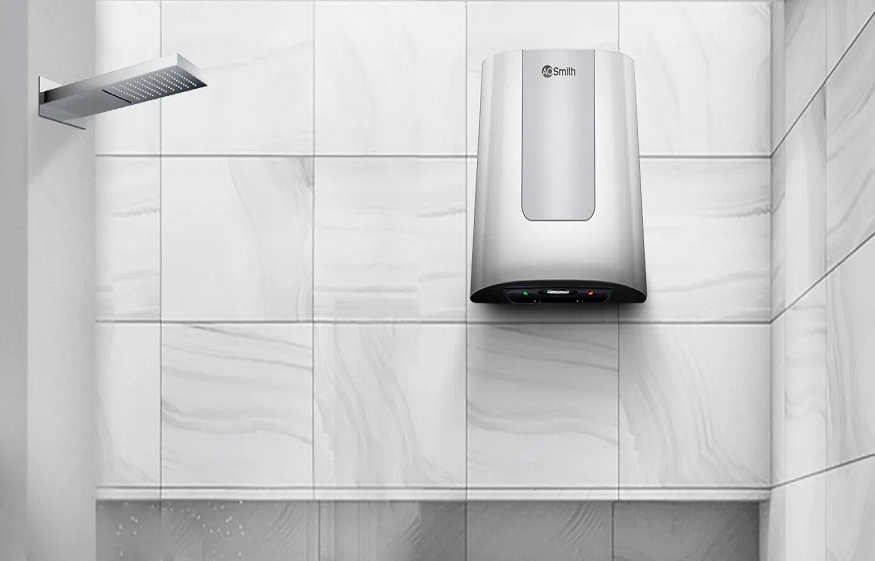
Every home follows its own hot water routine. For some, mornings move in a steady flow of showers and back-to-back use. For others, hot water is needed briefly at different times of the day. These everyday patterns quietly shape what works best in a bathroom setup. Storage and instant geysers might appear to serve the same purpose, but they perform quite differently depending on how a household uses hot water. Paying attention to when and how the geyser is used can guide you toward a system that feels seamless, reliable, and well-suited to your space.
Difference Between Storage and Instant Geysers
Storage Geysers
Storage geysers heat and store a fixed amount of water in a tank (commonly 10–25 litres or more). Once heated, the water remains available for use until the tank is emptied, after which it needs time to reheat.
Best suited for:
- Families with multiple users
- Homes with high simultaneous usage
- Bathrooms with bathtubs or rain showers
Instant (Tankless) Geysers
Instant geysers heat water on demand as it flows through the unit. They do not store water, which makes them compact and energy-efficient for short-duration usage.
Read More : Best Water Purification Systems with Advanced Technologies
Best suited for:
- Small households
- Bathrooms with light or occasional use
- Kitchens or guest bathrooms
Evaluate Your Bathroom Usage Patterns
1. Number of Users
If multiple family members use the bathroom back-to-back during mornings, a storage geyser provides a continuous supply. A single instant unit may struggle to maintain a consistent temperature if multiple taps are opened simultaneously.
For one or two users with staggered schedules, an instant geyser can be sufficient and more energy-efficient.
2. Duration of Showers
- Long showers (10–20 minutes): Storage geysers are more suitable because they provide steady hot water without sudden temperature drops.
- Quick showers (5–7 minutes): Instant geysers perform well and avoid unnecessary energy consumption from storing heated water.
If your household enjoys long, relaxing showers, especially during winter, a storage system offers better comfort.
3. Peak Usage Time
In homes where everyone gets ready at the same time (for example, mornings before work or school), demand spikes. Storage geysers handle peak demand more effectively.
Instant geysers, while efficient, have flow rate limits. If water pressure is high or multiple fixtures operate simultaneously, temperature fluctuations may occur.
4. Bathroom Size and Space Constraints
Compact bathrooms benefit from instant geysers due to their small size and wall-mounted design. Storage geysers require more installation space and stronger wall support for heavier tanks. If space is limited, especially in apartments, instant models are often more practical.
5. Energy Efficiency Considerations
Storage geysers consume energy to maintain water temperature (standby heat loss). However, modern insulated tanks have significantly reduced these losses.
Read More : How Professional Hot & Cold Pressure Washer Repairs Keep Your Equipment Running in NJ
Instant geysers heat water only when needed, reducing standby energy consumption. They are generally more energy-efficient for low to moderate usage patterns. If hot water demand is frequent and high, the difference in energy savings may narrow.
When to Choose Storage Geysers
Choose a storage geyser if:
- You have a family of 3 or more.
- Multiple bathrooms are used simultaneously.
- You prefer long showers.
- You want consistent water temperature without flow limitations.
When to Choose Instant Geysers
Choose an instant geyser if:
- You live alone or with one other person.
- Bathroom use is short and infrequent.
- Space is limited.
- You want lower standby energy consumption.
Conclusion
There is no one-size-fits-all solution. The best choice depends on how your household uses hot water daily. By assessing user count, shower duration, peak demand, and available space, you can select a geyser type that balances comfort, efficiency, and cost. Making the right decision ensures reliable hot water while optimising energy use and long-term performance.